수상한 자연사 박물관 (2022)
Suspicious Museum of Natural History
Suspicious Museum of Natural History
<수상한 자연사 박물관>은 인간의 접근이 70년 동안 제한되어온 한국 비무장지대(DMZ) 생태계를 통해서 ‘손닿지 않은 자연(Untouched Nature)’이란 개념의 섬뜩한 기저구조를 드러내는 것을 목표로 한다.
역설적으로 한국 DMZ는 분단 아래의 잦은 군사 도발로 인하여 비무장지대라는 이름과 다르게 본래의 기능을 상실한 무기화된 국경지대가 되었다. DMZ를 점거한 200만 개의 미확인 지뢰와 100여 개의 무장 감시초소, 248km에 걸친 철조망은 항시 인간의 접근을 저항하고 있다. 인간의 출입을 위협하는 이러한 폭력적 객체들은 인간뿐만 아니라 DMZ에 서식하는 다른 생물종들에도 위협적일 것이다. 하지만 어떻게 오늘날 DMZ는 태백산맥과 함께 한반도의 핵심 생태 축으로 거듭날 수 있었을까. 지뢰에 부상당한 멧돼지와 검독수리는 DMZ가 폭력적인 분단 역사에 적응하며 새롭게 형성된 생태계임을 증명한다. DMZ의 서식종들은 안정적으로 현재의 삶을 지속하기 위해 오히려 DMZ를 점거한 폭력적 객체들을 필요로 할 것이다. 다시 말해 DMZ의 폭력적 객체들은 현 DMZ 생태계의 가장 필수적인 생태적 요소인 셈이다. 만약 이 요소 중 하나라도 사라지게 된다면 현재의 DMZ 생태계는 불안정화되고 연쇄적으로 붕괴할 것이다.
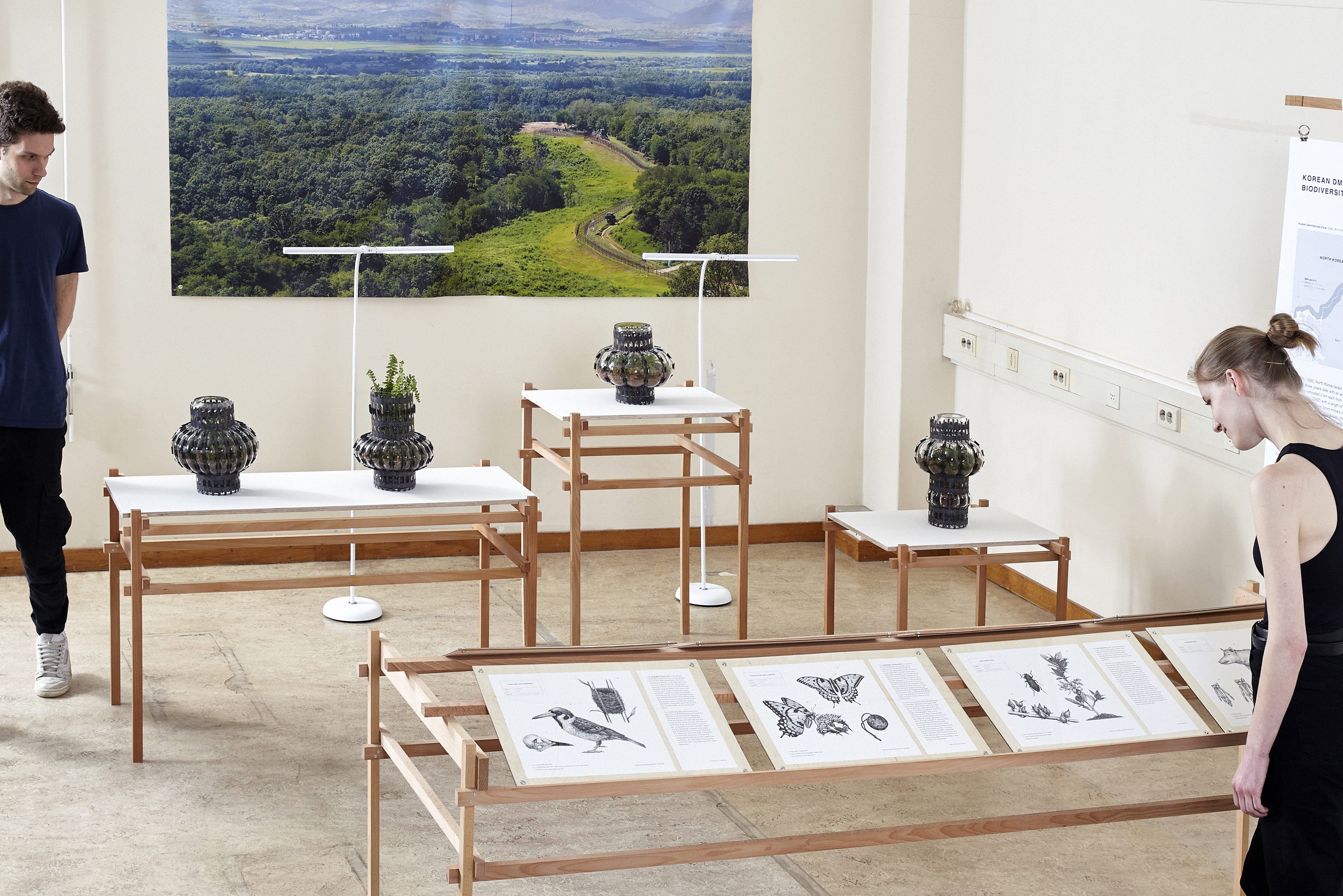
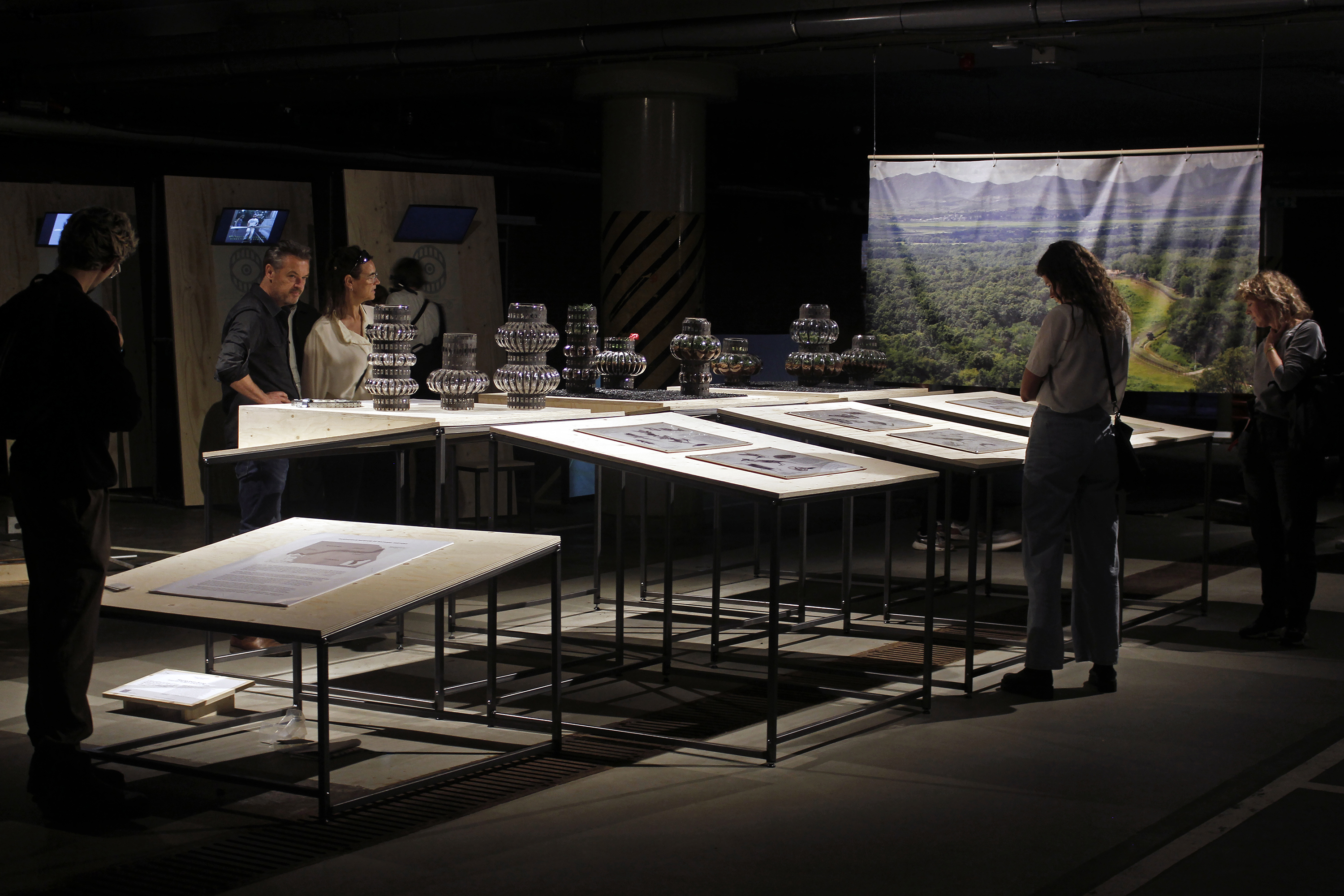
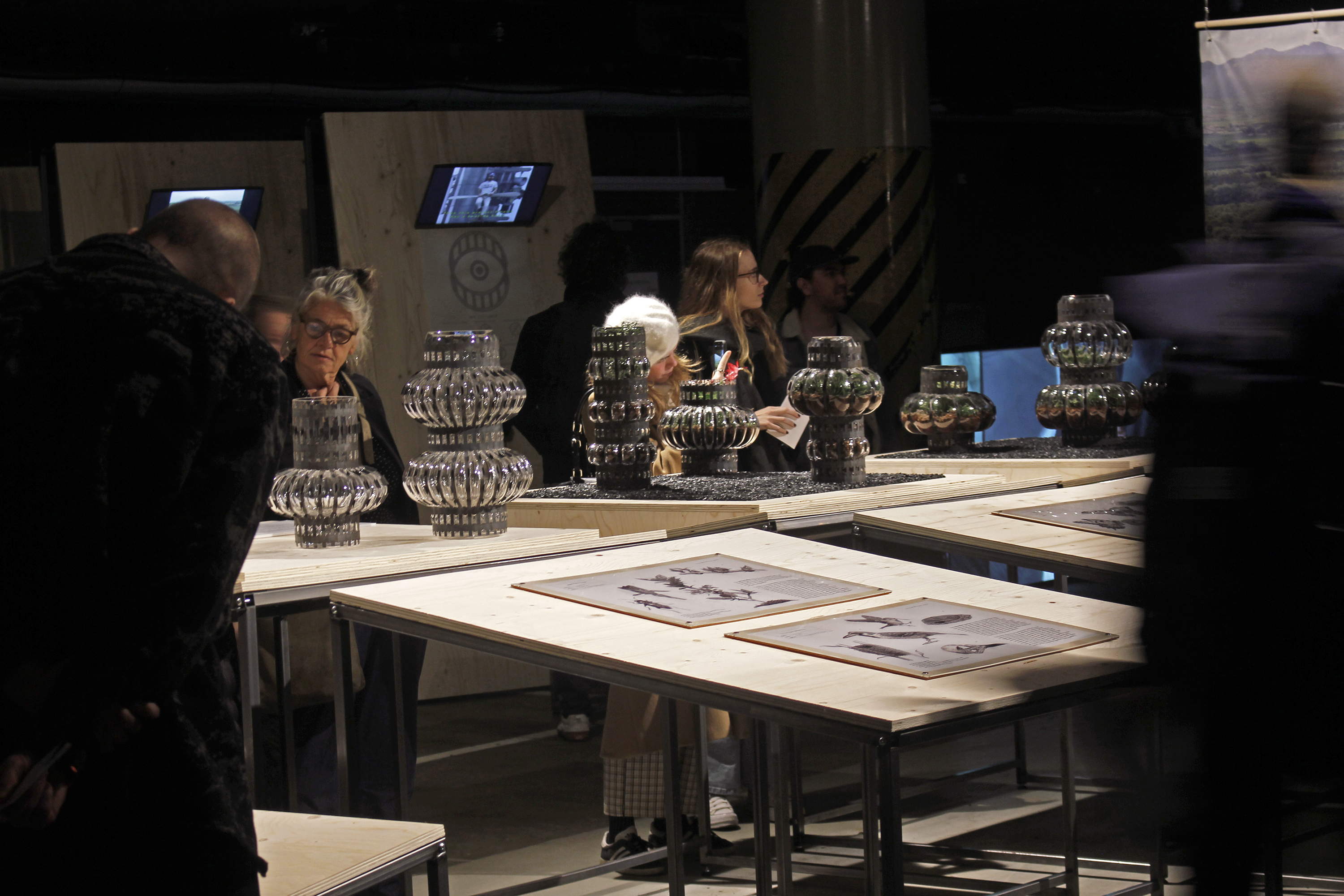
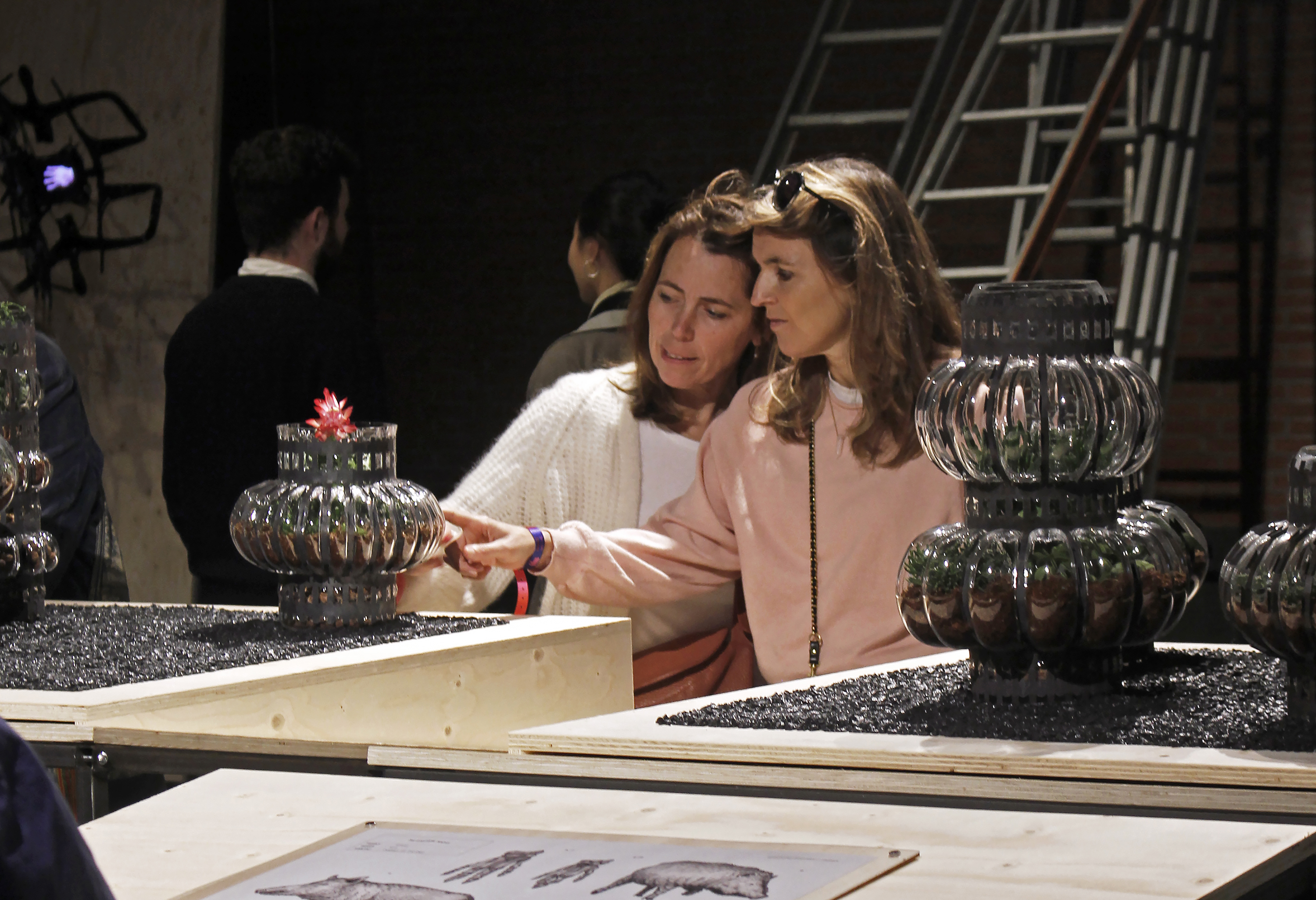
우리는 인간이 부재한 자연을 순수한 자연으로 인식하는 ‘손닿지 않은 자연’에 대한 환상을 가지고 있다. 하지만 폭력적인 분단 역사에 따라 탄생한 DMZ 생태계를 평화로운 자연 낙원으로 낭만화하는 현상은 ‘손닿지 않은 자연’이란 개념이 폭력에 의해 성취될 수 있음을 암시하며 이를 영속시키기 위해 그 폭력성이 정당화될 수 있음을 보여준다. 이에 대응하여 송승준은 DMZ의 폭력적 인프라와 공생하는 생물 다양성 아카이브와 그들의 서식지를 재현한 상상적 형태의 DMZ 생태계 디오라마를 제안한다. 그는 인간의 밀접한 관찰에 의해서만 수행되는 자연사 박물관의 문화적 트로프를 통해 인간의 부재로 형성된 DMZ 생태계를 풀이함으로써 관람객들에게 모순된 인간의 관점을 질문한다.
-
The “Suspicious Museum of Natural History” aims to expose the unsettling foundation of the concept of ‘Untouched Nature’ through the ecosystem of the Korean Demilitarized Zone (DMZ), where human access has been restricted for nearly 70 years.
Ironically, despite its name, the Korean DMZ has become a militarized border zone due to frequent military provocations during the division, losing its original function. The 200 million unexploded landmines, over 100 armed guard posts, and 248km of barbed wire in the DMZ constantly resist human access. These violent infrastructures, while threatening to humans, also endanger the species inhabiting the zone. Yet paradoxically, the DMZ has emerged as one of the Korean Peninsula’s core ecological axis. Wild boars and golden eagles injured by landmines reveal that the DMZ’s ecosystem has evolved in direct response to its violent past. In fact, the species residing within may now depend on these very instruments of violence for their continued existence, making such objects essential components of the ecological system. Should even one of these elements disappear, the delicate balance of the ecosystem could unravel, triggering a cascading collapse.
We often romanticize “Untouched Nature” as pure and pristine, unspoiled by human presence. But the DMZ, born from the trauma of division, challenges this ideal. It suggests that such a notion of nature can in fact be forged through violence—and that violence can be justified in the name of preserving it. In response, Seungjoon Song proposes two speculative designs: a set of biodiversity data that coexists with the DMZ’s violent infrastructure, and an imaginative diorama reconstructing the habitats of these species. Through the cultural lens of the natural history museum, which relies on human observation, he challenges viewers to question the contradictory human perspective.
본 작업은 Design Academy Eindhoven(NL)의 MA Contextual Design Course, 2022 Graduation Project로 수행되었습니다. 'DMZ 생태계 디오라마'와 'DMZ 생태보고서 누락종' 두 개의 개별 프로젝트로 구성되어 있습니다. This work was part of the MA Contextual Design Course, 2022 Graduation Project at Design Academy Eindhoven (NL). It consists of two individual projects: ‘DMZ Ecosystem Diorama’ and ‘Missing Species in DMZ Ecology.’
역설적으로 한국 DMZ는 분단 아래의 잦은 군사 도발로 인하여 비무장지대라는 이름과 다르게 본래의 기능을 상실한 무기화된 국경지대가 되었다. DMZ를 점거한 200만 개의 미확인 지뢰와 100여 개의 무장 감시초소, 248km에 걸친 철조망은 항시 인간의 접근을 저항하고 있다. 인간의 출입을 위협하는 이러한 폭력적 객체들은 인간뿐만 아니라 DMZ에 서식하는 다른 생물종들에도 위협적일 것이다. 하지만 어떻게 오늘날 DMZ는 태백산맥과 함께 한반도의 핵심 생태 축으로 거듭날 수 있었을까. 지뢰에 부상당한 멧돼지와 검독수리는 DMZ가 폭력적인 분단 역사에 적응하며 새롭게 형성된 생태계임을 증명한다. DMZ의 서식종들은 안정적으로 현재의 삶을 지속하기 위해 오히려 DMZ를 점거한 폭력적 객체들을 필요로 할 것이다. 다시 말해 DMZ의 폭력적 객체들은 현 DMZ 생태계의 가장 필수적인 생태적 요소인 셈이다. 만약 이 요소 중 하나라도 사라지게 된다면 현재의 DMZ 생태계는 불안정화되고 연쇄적으로 붕괴할 것이다.
우리는 인간이 부재한 자연을 순수한 자연으로 인식하는 ‘손닿지 않은 자연’에 대한 환상을 가지고 있다. 하지만 폭력적인 분단 역사에 따라 탄생한 DMZ 생태계를 평화로운 자연 낙원으로 낭만화하는 현상은 ‘손닿지 않은 자연’이란 개념이 폭력에 의해 성취될 수 있음을 암시하며 이를 영속시키기 위해 그 폭력성이 정당화될 수 있음을 보여준다. 이에 대응하여 송승준은 DMZ의 폭력적 인프라와 공생하는 생물 다양성 아카이브와 그들의 서식지를 재현한 상상적 형태의 DMZ 생태계 디오라마를 제안한다. 그는 인간의 밀접한 관찰에 의해서만 수행되는 자연사 박물관의 문화적 트로프를 통해 인간의 부재로 형성된 DMZ 생태계를 풀이함으로써 관람객들에게 모순된 인간의 관점을 질문한다.
-
The “Suspicious Museum of Natural History” aims to expose the unsettling foundation of the concept of ‘Untouched Nature’ through the ecosystem of the Korean Demilitarized Zone (DMZ), where human access has been restricted for nearly 70 years.
Ironically, despite its name, the Korean DMZ has become a militarized border zone due to frequent military provocations during the division, losing its original function. The 200 million unexploded landmines, over 100 armed guard posts, and 248km of barbed wire in the DMZ constantly resist human access. These violent infrastructures, while threatening to humans, also endanger the species inhabiting the zone. Yet paradoxically, the DMZ has emerged as one of the Korean Peninsula’s core ecological axis. Wild boars and golden eagles injured by landmines reveal that the DMZ’s ecosystem has evolved in direct response to its violent past. In fact, the species residing within may now depend on these very instruments of violence for their continued existence, making such objects essential components of the ecological system. Should even one of these elements disappear, the delicate balance of the ecosystem could unravel, triggering a cascading collapse.
We often romanticize “Untouched Nature” as pure and pristine, unspoiled by human presence. But the DMZ, born from the trauma of division, challenges this ideal. It suggests that such a notion of nature can in fact be forged through violence—and that violence can be justified in the name of preserving it. In response, Seungjoon Song proposes two speculative designs: a set of biodiversity data that coexists with the DMZ’s violent infrastructure, and an imaginative diorama reconstructing the habitats of these species. Through the cultural lens of the natural history museum, which relies on human observation, he challenges viewers to question the contradictory human perspective.
본 작업은 Design Academy Eindhoven(NL)의 MA Contextual Design Course, 2022 Graduation Project로 수행되었습니다. 'DMZ 생태계 디오라마'와 'DMZ 생태보고서 누락종' 두 개의 개별 프로젝트로 구성되어 있습니다. This work was part of the MA Contextual Design Course, 2022 Graduation Project at Design Academy Eindhoven (NL). It consists of two individual projects: ‘DMZ Ecosystem Diorama’ and ‘Missing Species in DMZ Ecology.’