인세르타에 세디스 (2026)
Incertae Sedis
Incertae Sedis
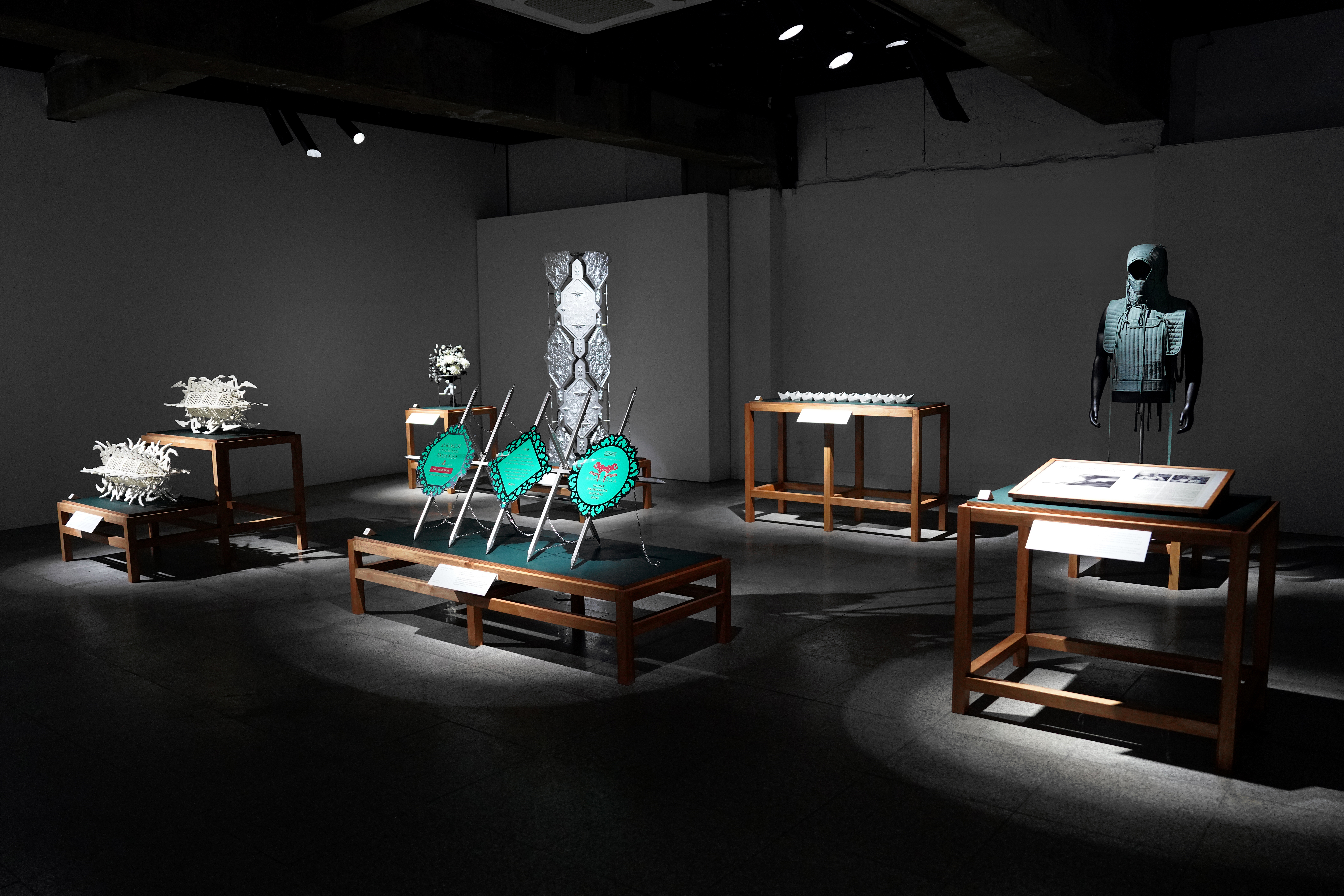
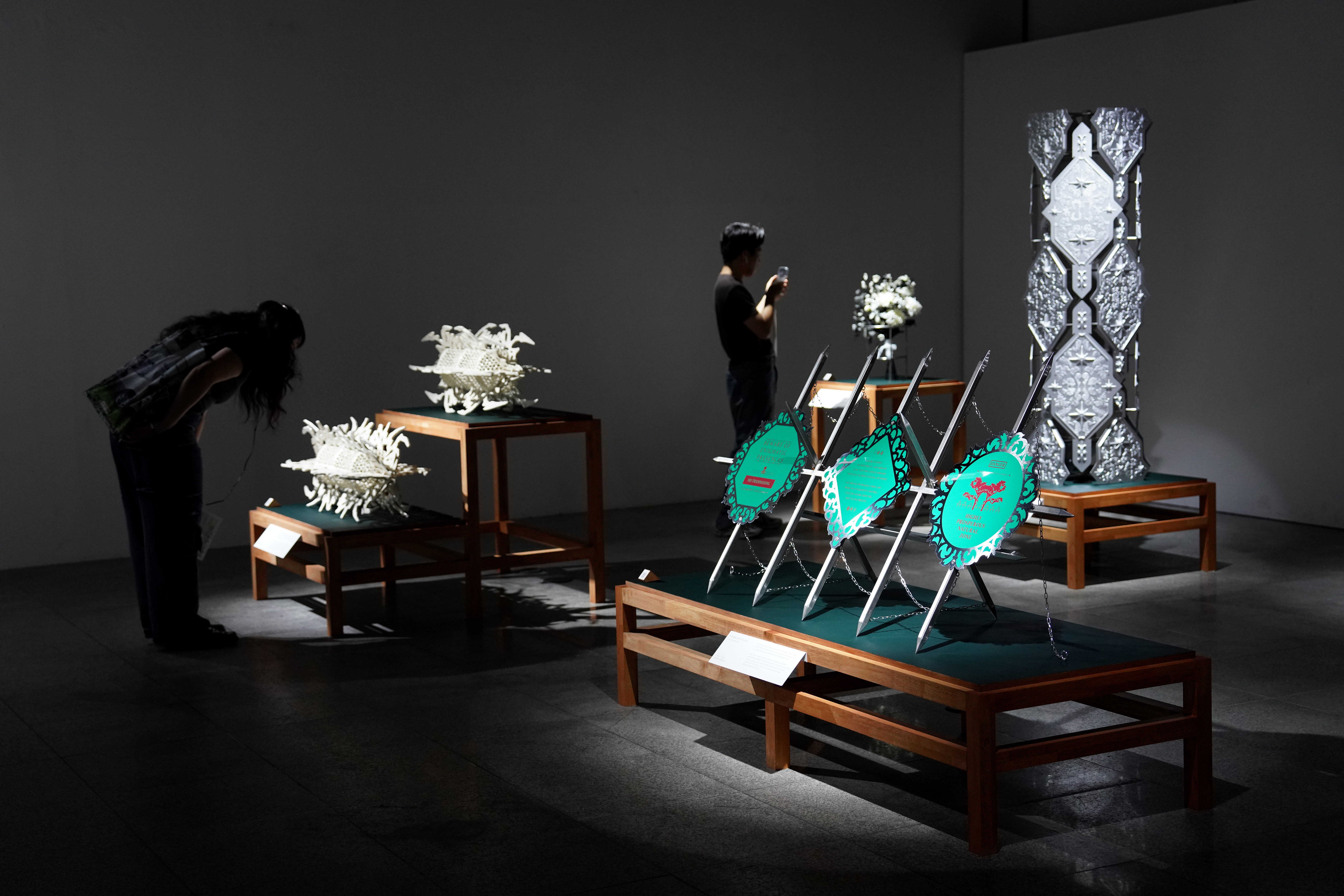
비무장지대(DMZ)의 포유류는 화약 냄새를 따라 지뢰의 위치를 알아낸다. 누군가에게 접근할 수 없는 환경은 다른 존재에게 삶의 터전이 된다. 자연은 하늘과 숲, 바다처럼 원형을 간직한 공간이라기보다 생태계의 붕괴와 생성이 거듭되는 시간적 현상에 가깝다. 서로 다른 생태계가 복잡하게 얽힌 거대한 아상블라주로 자연을 그려볼 수 있다. 《인세르타에 세디스(incertae sedis)》는 오브젝타의 생태 보고회 형식을 빌려 사물 생태계의 생동성을 살펴본다. 오브젝타(Objecta)는 작은 사물들이 엉겨 붙어 하나의 유기체적 단위를 이루는 사물 군집체다. 주변 환경과의 관계가 달라지면 형태도 끊임없이 재편된다. 오브젝타는 완결된 형상이 아니라 변화하는 관계 속에서 형태를 갱신하는 유동적인 유기체다. 오브젝타는 기존 생물학적 분류체계에 명확히 귀속되지 않아 ‘분류학적 위치 미정(Incertae sedis)’으로 기록된다. 그 가변성은 인간이 만든 분류의 경계를 흐리고 사물 간 관계의 역동성을 드러낸다. 전시는 약 100종의 사물을 채집해 확인한 54종의 오브젝타 기준표본을 선보인다.
-
Mammals in the Demilitarized Zone (DMZ) follow the scent of gunpowder to locate landmines. An environment inaccessible to some can become a habitat for others. Nature is not a pristine landscape of sky, forest, and sea, but a temporal process of ecological collapse and renewal—a vast assemblage of interwoven ecosystems. Incertae Sedis presents an ecological briefing on Objecta, colonies of small objects joined into organism-like units. Their forms shift as their relationships with the surrounding environment change. Because Objecta do not fit clearly within existing biological classifications, they are recorded as incertae sedis, or of uncertain taxonomic placement. Their variability challenges fixed categories and reveals the dynamic relations among objects. The exhibition presents reference specimens of 54 Objecta identified through the collection of approximately 100 kinds of objects.
-
Mammals in the Demilitarized Zone (DMZ) follow the scent of gunpowder to locate landmines. An environment inaccessible to some can become a habitat for others. Nature is not a pristine landscape of sky, forest, and sea, but a temporal process of ecological collapse and renewal—a vast assemblage of interwoven ecosystems. Incertae Sedis presents an ecological briefing on Objecta, colonies of small objects joined into organism-like units. Their forms shift as their relationships with the surrounding environment change. Because Objecta do not fit clearly within existing biological classifications, they are recorded as incertae sedis, or of uncertain taxonomic placement. Their variability challenges fixed categories and reveals the dynamic relations among objects. The exhibition presents reference specimens of 54 Objecta identified through the collection of approximately 100 kinds of objects.


호기심이 사라진 방 (2026)
Cabinet without Curiosities
Cabinet without Curiosities
16–17세기 유럽의 분더카머는 서로 다른 사물들이 명확한 구분 없이 공존하며, 하나의 의미로 고정되지 않은 채 열린 해석을 가능하게 하던 공간이다. 〈호기심이 사라진 방〉은 ‘초거대 녹색지대’ 세계의 사물들을 분더카머 형식으로 배열한다. 이 세계는 DMZ, 후쿠시마, 체르노빌과 같은 현대 무인지대가 전지구적으로 확장된 상상적 환경으로, 위협적인 녹색지대 속에 고립된 인류의 시대를 그린다. 그러나 초거대 녹색지대의 사물들이 수집된 분더카머는 열린 해석의 공간이 아닌, 어떠한 해석도 성립하지 않는 상태로 전환된다. 해석이 붕괴된 세계의 잔해만이 축적된 분더카머는 손 닿지 않은 자연의 공포를 부각한다. 또한 이는 오늘날 무인지대에 대한 낭만적 시선이, 실은 판단 기준이 무너진 ‘읽을 수 없는 세계’를 은폐하는 환상임을 드러낸다.
-
The Wunderkammer of sixteenth- and seventeenth-century Europe was a space where heterogeneous objects coexisted without clear classification, inviting multiple interpretations rather than being fixed to a single meaning. ‘Cabinet without Curiosities’ arranges objects from the world of Hyper Green Zone in the form of a Wunderkammer. This speculative world imagines a future in which contemporary uninhabited zones—such as the DMZ, Fukushima, and Chernobyl—have expanded across the globe, depicting an era in which humanity is isolated within a vast and threatening green zone. Yet the Wunderkammer assembled from the objects of the Hyper Green Zone is no longer a space of open interpretation, but one in which interpretation itself has become impossible. Filled only with the remnants of a world where meaning has collapsed, it foregrounds the terror of nature beyond human reach. At the same time, it reveals that the contemporary romanticization of uninhabited zones conceals a more unsettling reality: a world that can no longer be read, where the very conditions for interpretation have disintegrated.
-
The Wunderkammer of sixteenth- and seventeenth-century Europe was a space where heterogeneous objects coexisted without clear classification, inviting multiple interpretations rather than being fixed to a single meaning. ‘Cabinet without Curiosities’ arranges objects from the world of Hyper Green Zone in the form of a Wunderkammer. This speculative world imagines a future in which contemporary uninhabited zones—such as the DMZ, Fukushima, and Chernobyl—have expanded across the globe, depicting an era in which humanity is isolated within a vast and threatening green zone. Yet the Wunderkammer assembled from the objects of the Hyper Green Zone is no longer a space of open interpretation, but one in which interpretation itself has become impossible. Filled only with the remnants of a world where meaning has collapsed, it foregrounds the terror of nature beyond human reach. At the same time, it reveals that the contemporary romanticization of uninhabited zones conceals a more unsettling reality: a world that can no longer be read, where the very conditions for interpretation have disintegrated.


크롤리즘 스타일 (2025)
Chrolism-Style
Chrolism-Style
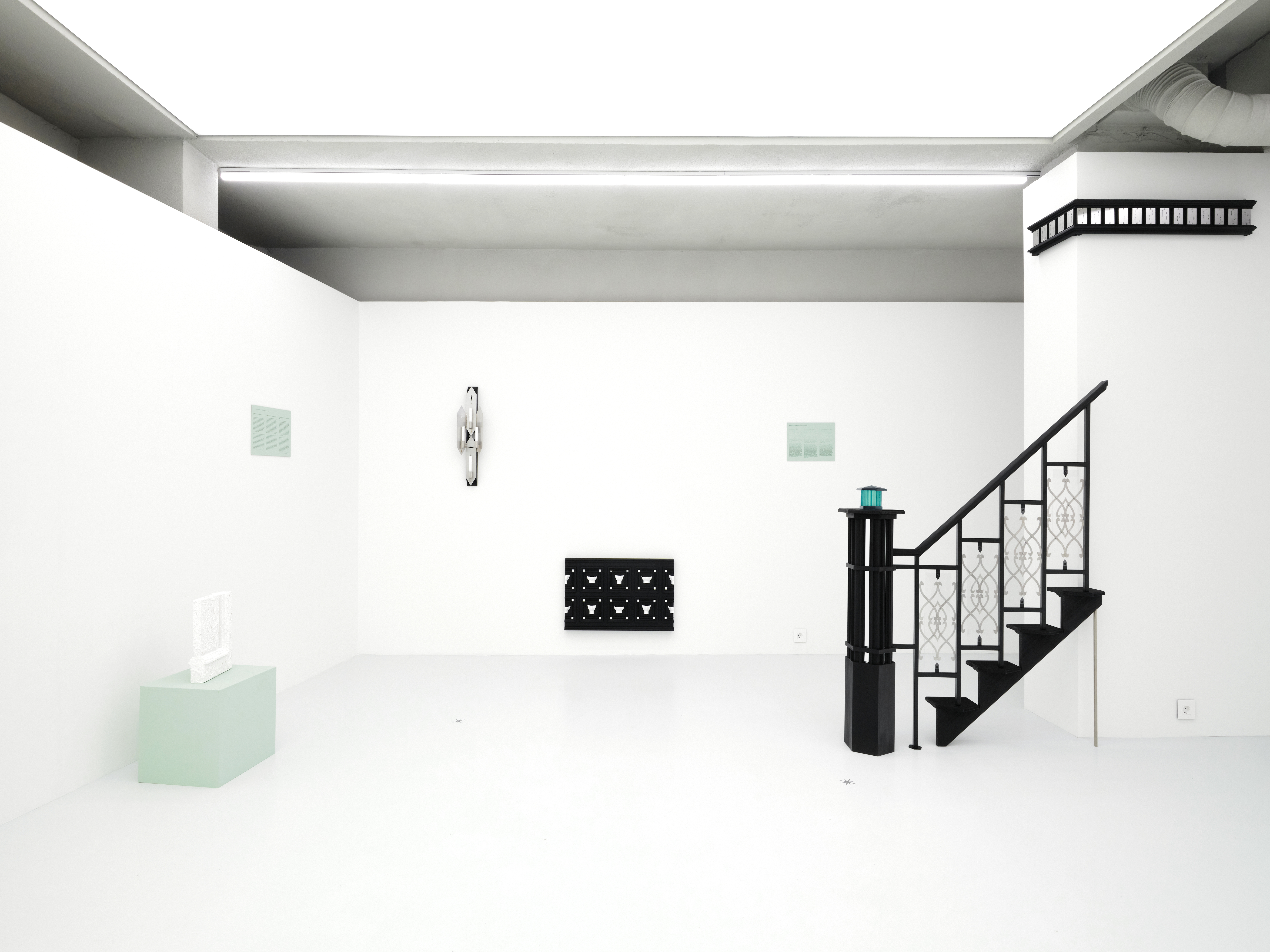
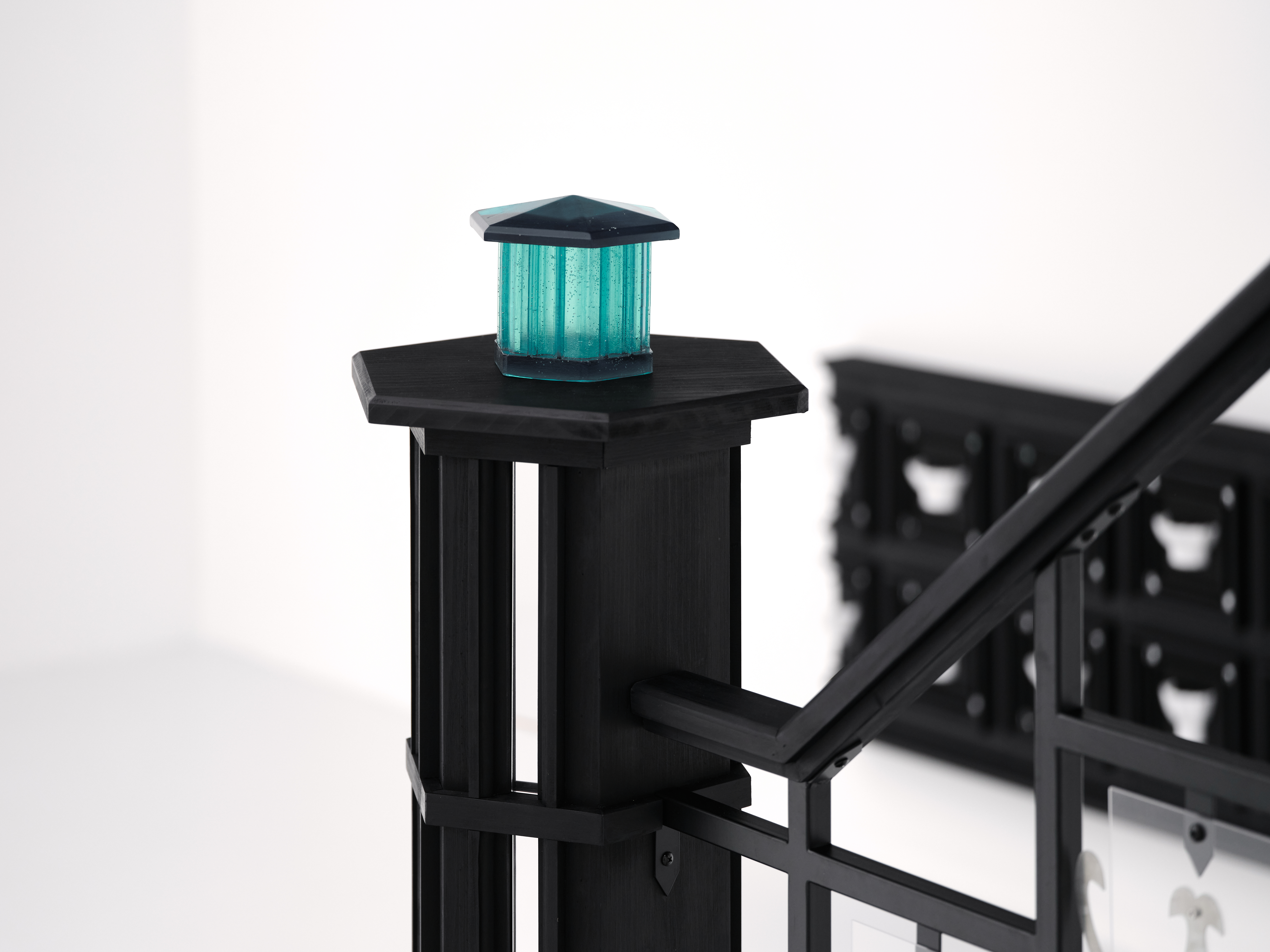
《크롤리즘 스타일(Chrolism-Style)》은 위험의 배제와 통제란 권력적 장치 위에서만 성립하는 낭만적 자연의 아이러니와, 실존적 자연이 유희적 자연으로 변형되는 기형적 전환 과정 속에서 발생한 희생과 상실의 역사를 환기한다. 이를 위해 시나리오는 녹색지대를 중심으로 서로 상반되는 태도를 지닌 두 집단, 세네카(Seneka)와 크롤리즘(Chrolism) 신앙 공동체를 소개한다. 크롤리즘 신자들은 녹색지대를 숭배하며, 위험을 감수하면서도 초월적 존재로서 경외한다. 반면 세네카는 최상류층으로, 안전한 벙커에서 가공된 녹색지대 사진을 감상하며 풍경을 소비한다. 녹색지대는 크롤리즘에게는 신성하고 두려운 공간이지만, 세네카에게는 안전하게 가공된 풍경으로 전환된다. 전시는 크롤리즘 신앙의 제의적 도구들이 세네카에 의해 단순한 감상용 장식, 즉 ‘크롤리즘 스타일(Chrolism-Style)’로 전환되는 과정을 통해, 오늘날 자연이 어떤 방식으로 착취되고 전유되어 낭만적 이미지로 소비되는지를 은유적으로 드러낸다. 벽면에 부착된 시나리오를 따라가며, 세네카의 파노라마 룸 곳곳의 오브제에 파편적으로 스며든 크롤리즘의 제의적 도구들을 추적해 나가는 과정은 자연스레 희생된 존재들의 이야기를 들여다보는 행위로 연결된다.
-
“Chrolism-Style” evokes the irony of a romanticized nature—sustained only through systems of exclusion and control—and reflects the sacrifices and losses that occur when nature is transformed into an aestheticized form. The scenario introduces two groups with opposing attitudes toward the Green Zone: the Seneka elite and the Chrolism faith community. Chrolism believers revere the Green Zone as a sacred and transcendent space, despite its dangers. In contrast, the Seneka elite remain in secure bunkers, consuming its landscapes as safe, processed images. Through the transformation of Chrolism’s ritual tools into mere decorative objects—the “Chrolism-Style”—the exhibition metaphorically explores how nature is exploited and appropriated today, turning the wild and sacred into a consumable, romanticized image. Following the wall-mounted scenario and tracing the fragmentary Chrolism ritual objects throughout Seneca’s Panorama Room naturally draws the viewer into the stories of the sacrificed.
Site menu의 ‘Chrolism-Style’ 페이지에서 ‘크롤리즘의 아홉 가지 제의 도구와 성물’ 시나리오를 감상하실 수 있습니다.
You can read the full scenario, “The Nine Holy Artifacts of Chrolism,” on the “Chrolism-Style” page in the site menu.
-
“Chrolism-Style” evokes the irony of a romanticized nature—sustained only through systems of exclusion and control—and reflects the sacrifices and losses that occur when nature is transformed into an aestheticized form. The scenario introduces two groups with opposing attitudes toward the Green Zone: the Seneka elite and the Chrolism faith community. Chrolism believers revere the Green Zone as a sacred and transcendent space, despite its dangers. In contrast, the Seneka elite remain in secure bunkers, consuming its landscapes as safe, processed images. Through the transformation of Chrolism’s ritual tools into mere decorative objects—the “Chrolism-Style”—the exhibition metaphorically explores how nature is exploited and appropriated today, turning the wild and sacred into a consumable, romanticized image. Following the wall-mounted scenario and tracing the fragmentary Chrolism ritual objects throughout Seneca’s Panorama Room naturally draws the viewer into the stories of the sacrificed.
Site menu의 ‘Chrolism-Style’ 페이지에서 ‘크롤리즘의 아홉 가지 제의 도구와 성물’ 시나리오를 감상하실 수 있습니다.
You can read the full scenario, “The Nine Holy Artifacts of Chrolism,” on the “Chrolism-Style” page in the site menu.

폴리네이터 (2025)
The Pollinator
The Pollinator

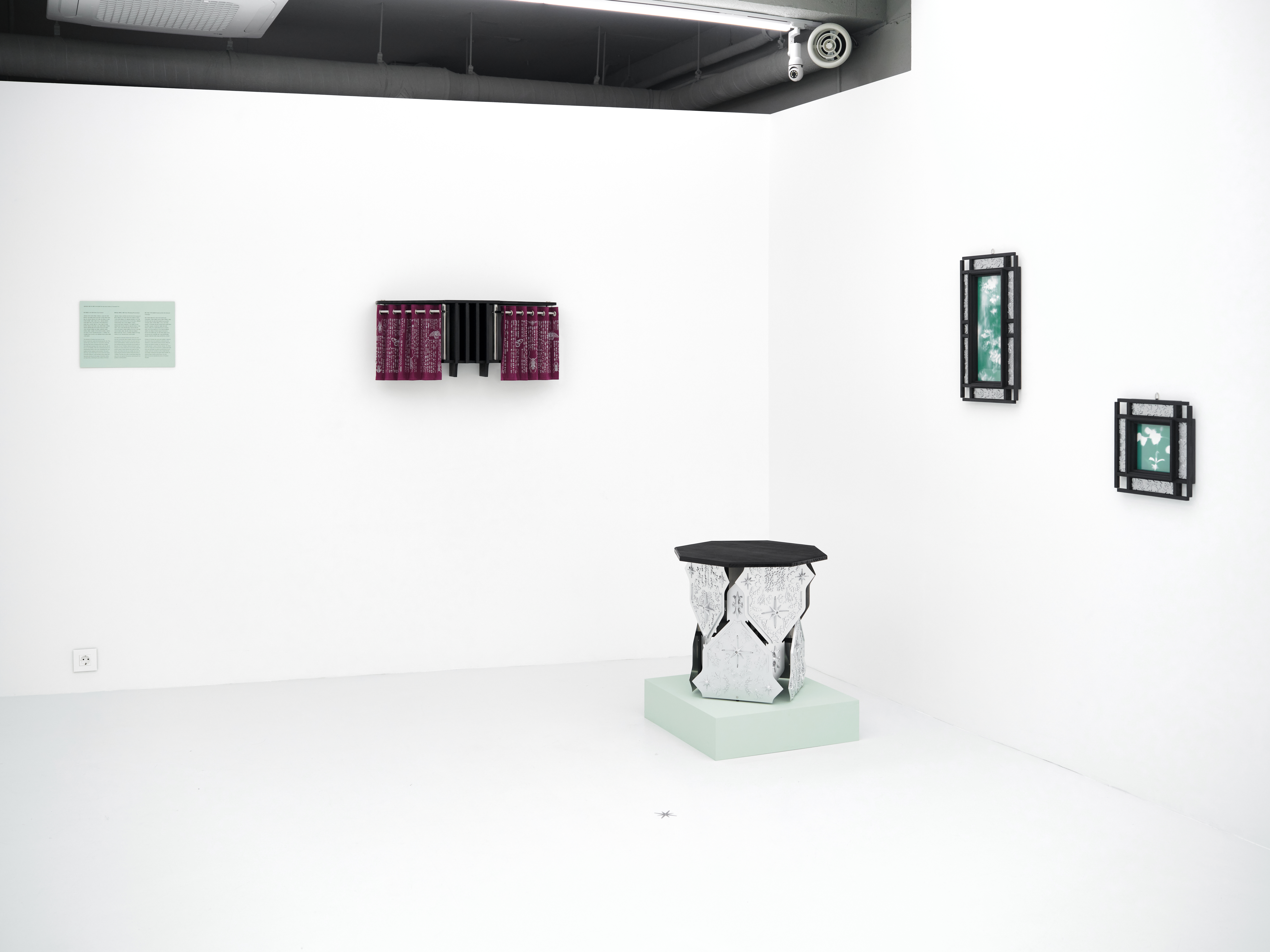
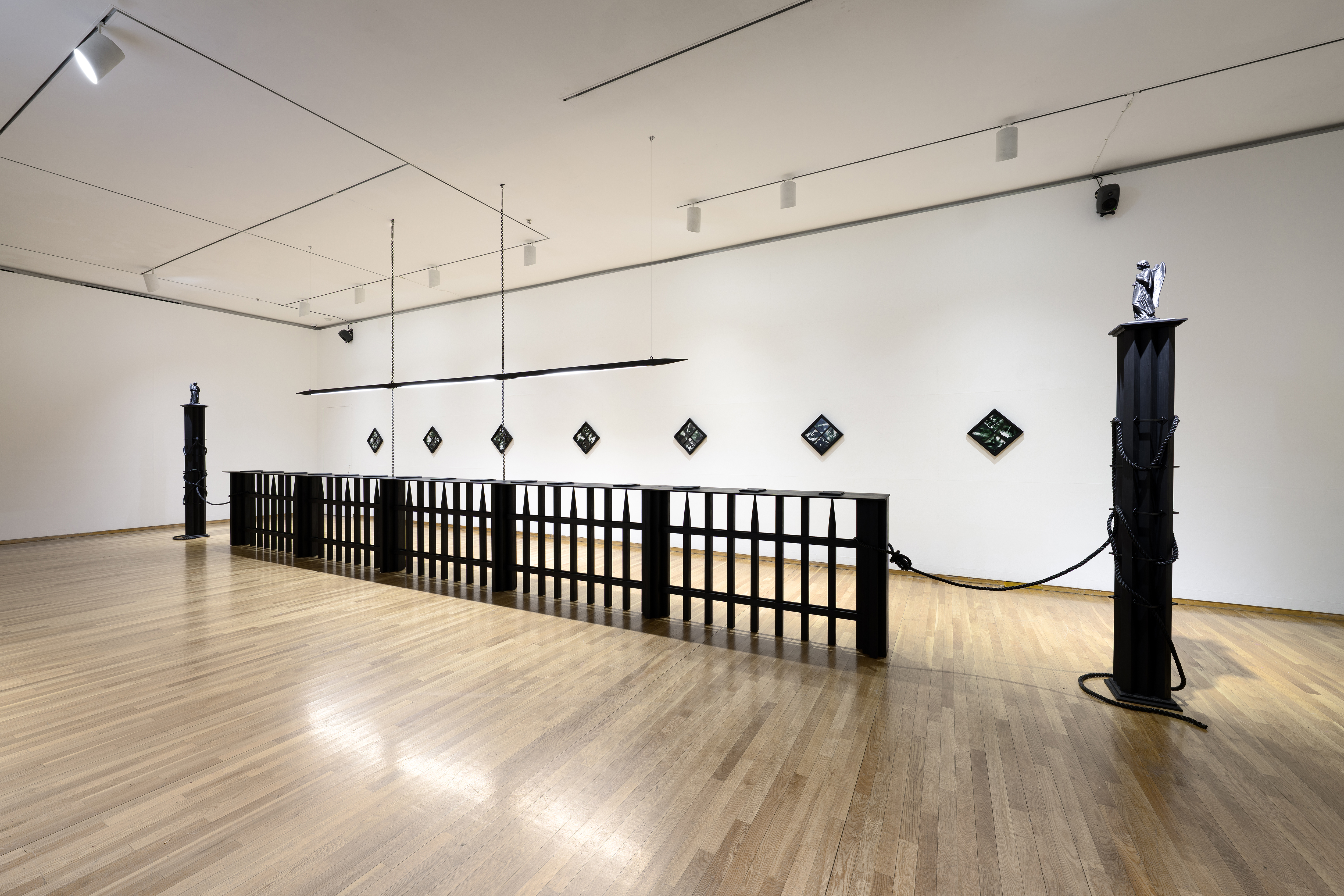
《폴리네이터 (The Pollinator)》는 ‘초거대 녹색지대(Hyper Green Zone)’의 세계관을 확장하여 이어간다. 이번 전시는 ‘사변적 에세이’를 중심으로, 녹색지대 위를 부유하는 공중 난민촌 ‘프록시마(Proxima)’에 거주하는 주인공이 공중 생활의 어려움을 겪으며, 유한한 존재로서 무한한 바람을 탐닉하는 내용을 다룬다. 무인지대의 관점에서 하늘 공간을 조망하는 이번 시나리오는 자연의 파괴성을 은폐하는 자연에 대한 낭만적 상상력을 비판적으로 바라보며, 인간의 존재와 무관하게 지속되는 생명의 순환과 자연의 무심한 흐름에 주목한다. 이는 무인지대의 생태계가 자연의 파괴성을 실감하고 인간의 유한성을 깨닫게 하는 교훈적 공간으로 인식되어야 함을 강조하며, 자연에 대한 인간의 인식과 실재하는 자연 사이의 간극을 조명한다.
-
“The Pollinator” extends the world of the ‘Hyper Green Zone’ universe. At the heart of the exhibition is a speculative essay that follows a protagonist residing in Proxima, an aerial refugee settlement drifting above the green zone. The narrative explores the hardships of sky-bound life and the protagonist’s yearning for the infinite, despite their finite existence. From the perspective of an uninhabited zone, the scenario contemplates aerial space while critically reflecting on the romanticized vision of nature that masks its inherent destructiveness. It draws attention to the ceaseless cycle of life and the indifferent flow of nature that persist regardless of human presence. The uninhabited zone is presented as a didactic space—one that renders nature’s destructive force tangible and evokes an awareness of human finitude. Ultimately, the work illuminates the gap between how humans perceive nature and how nature truly exists.
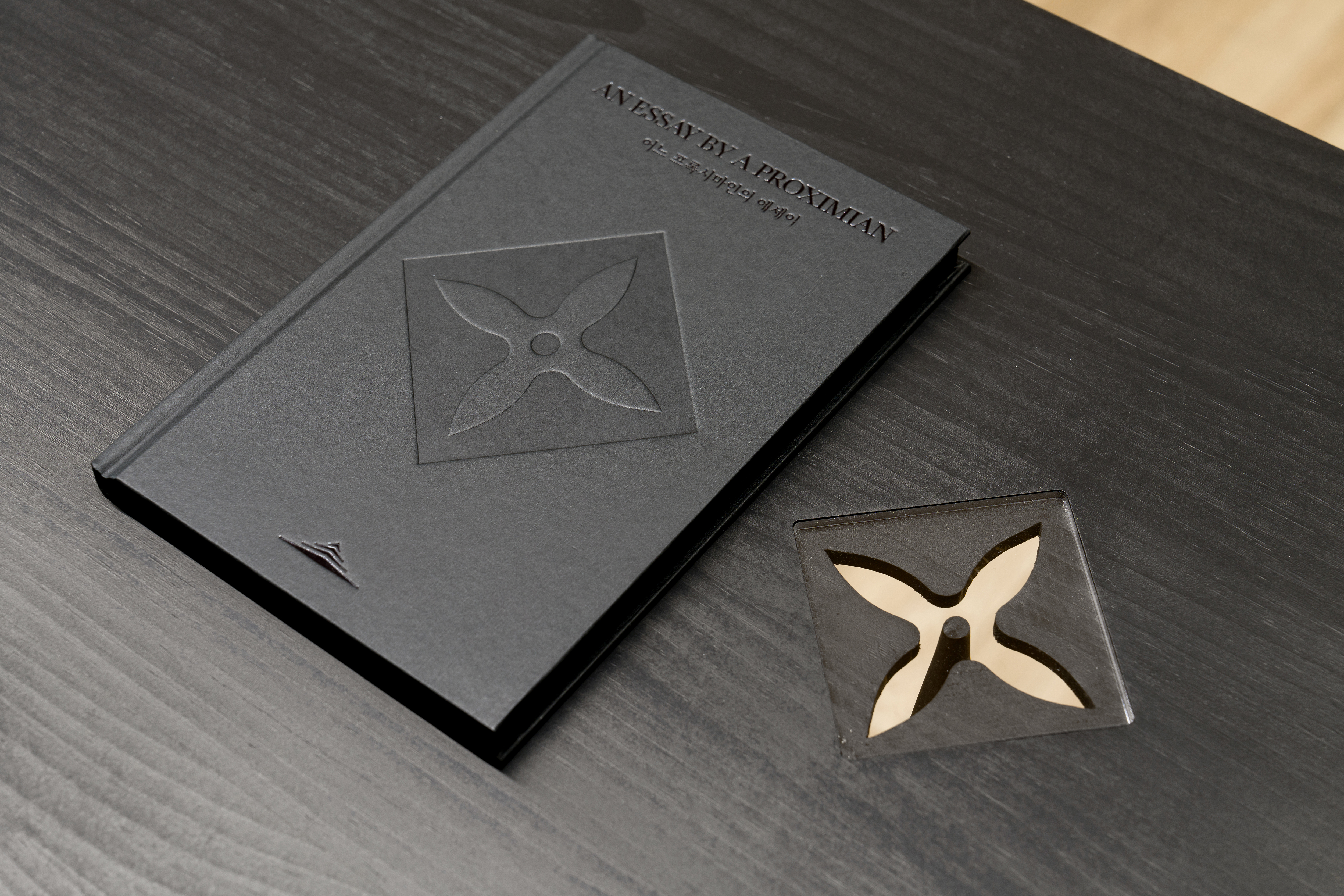
Site menu의 “The Pollinator” 페이지에서 사변적 에세이, “어느 프록시마인의 에세이”를 감상하실 수 있습니다.
You can read the full speculative essay, “An Essay by a Proximan”, on the “The Pollinator” page in the site menu.
-
“The Pollinator” extends the world of the ‘Hyper Green Zone’ universe. At the heart of the exhibition is a speculative essay that follows a protagonist residing in Proxima, an aerial refugee settlement drifting above the green zone. The narrative explores the hardships of sky-bound life and the protagonist’s yearning for the infinite, despite their finite existence. From the perspective of an uninhabited zone, the scenario contemplates aerial space while critically reflecting on the romanticized vision of nature that masks its inherent destructiveness. It draws attention to the ceaseless cycle of life and the indifferent flow of nature that persist regardless of human presence. The uninhabited zone is presented as a didactic space—one that renders nature’s destructive force tangible and evokes an awareness of human finitude. Ultimately, the work illuminates the gap between how humans perceive nature and how nature truly exists.
Site menu의 “The Pollinator” 페이지에서 사변적 에세이, “어느 프록시마인의 에세이”를 감상하실 수 있습니다.
You can read the full speculative essay, “An Essay by a Proximan”, on the “The Pollinator” page in the site menu.




초거대 녹색지대 (2024)
Hyper Green Zone
Hyper Green Zone
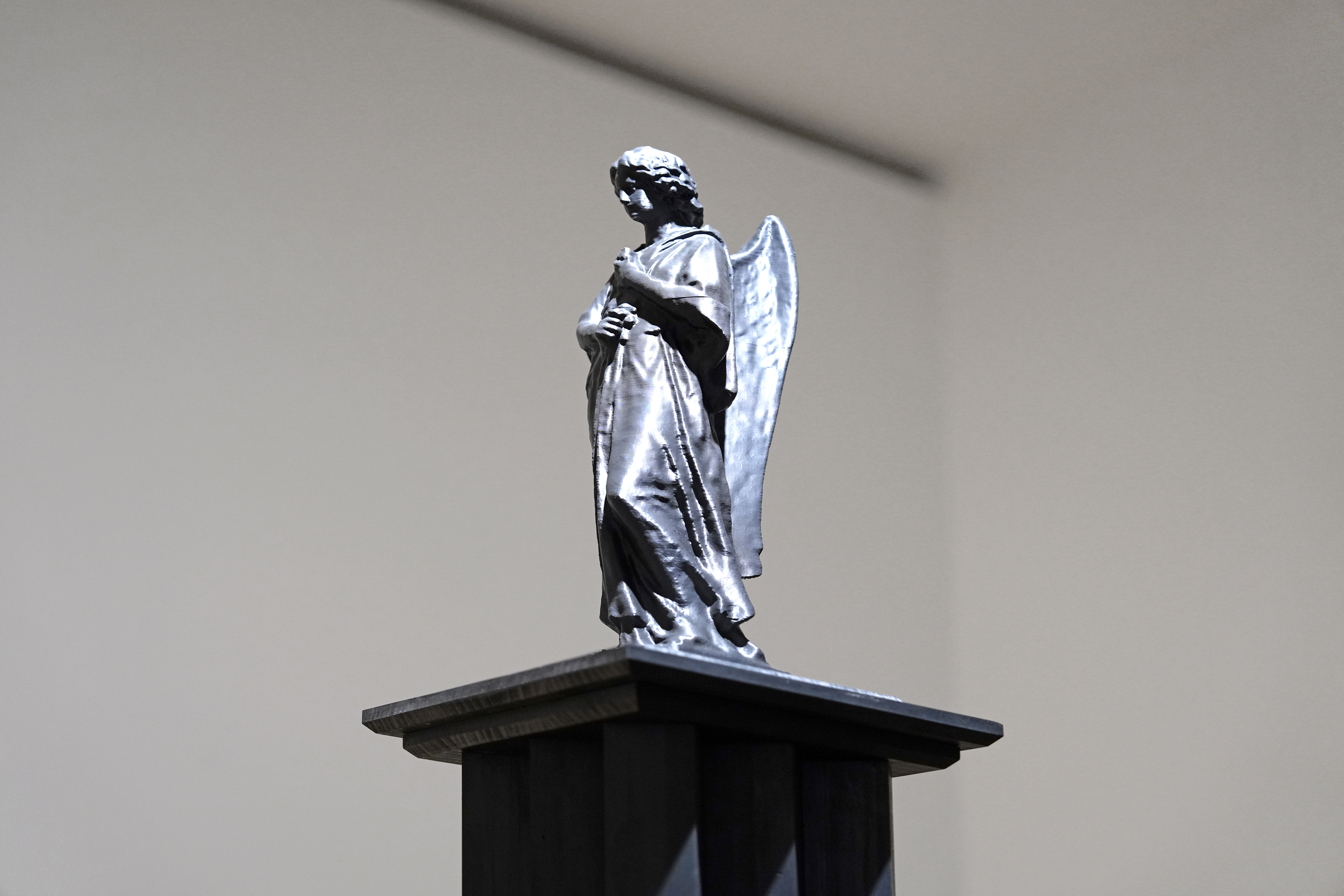
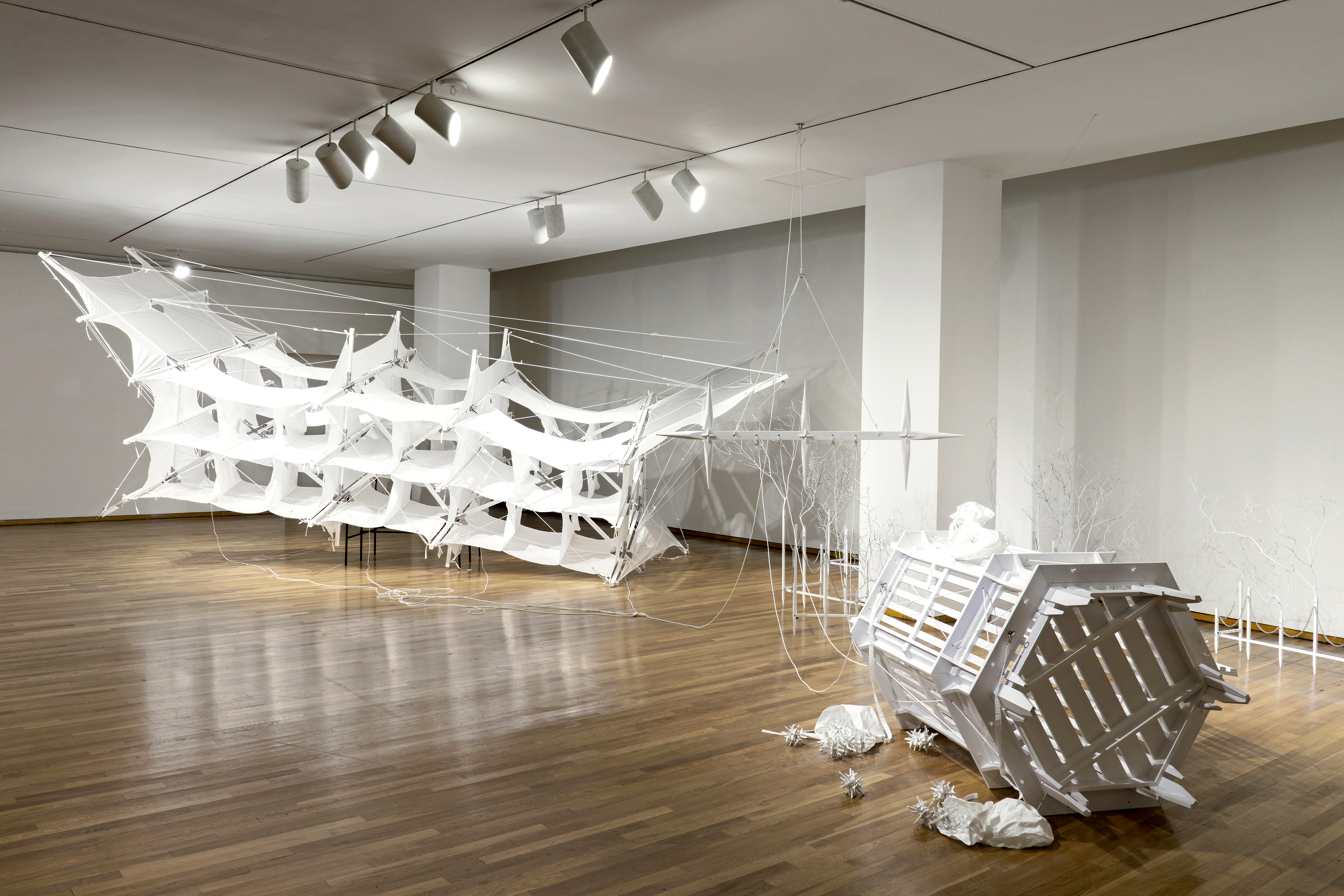
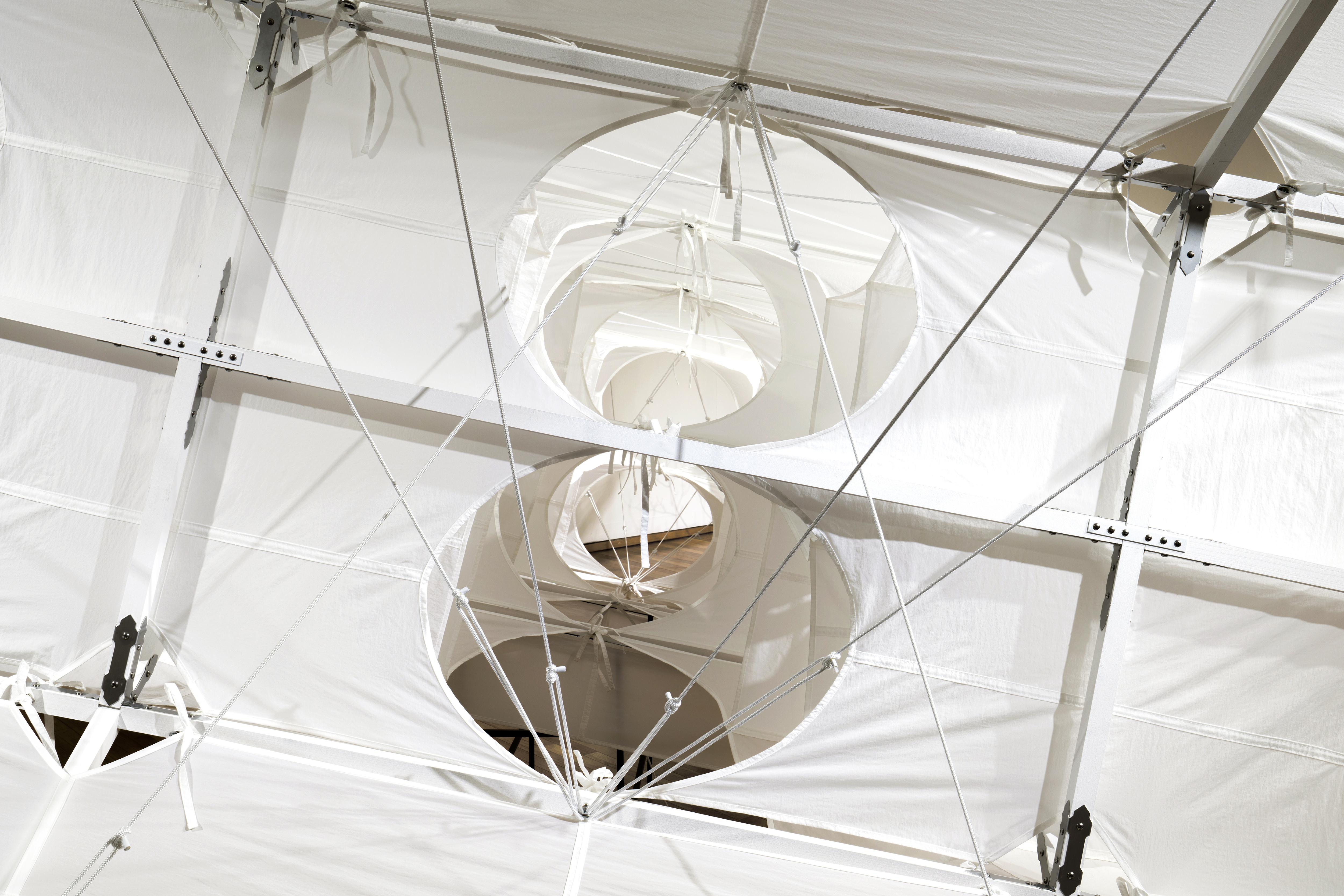
팬데믹 이후 우리는 인류가 조성한 지구 생태계의 균열이 재앙으로 다시 돌아온 상황을 목격하며 인간이 결코 자연과 분리될 수 없는 존재임을 깨닫게 되었다. 하지만 아이러니하게도 인간과 분리된 자연은 오늘날 이상적 자연의 원형으로 환상화되고 있다. 과연 우리는 인간이 사라진 자연을 이상적으로만 바라볼 수 있을까? 한국 비무장지대(DMZ), 체르노빌(CEZ), 후쿠시마(FEZ)에 이르는 현대의 무인지대(No man’s land)는 전쟁 무기와 방사능과 같은 폭력적 객체들이 서식하는 위험 구역으로 그 이상적 자연이 폭력에 의해 성취될 수 있음을 방증한다.
《초거대 녹색지대 (HYPER GREEN ZONE)》는 위협적인 녹색지대에 고립된 인류의 디스토피아적인 미래 시대를 통해, 현대의 무인지대에서 통찰한 자연 개념의 섬뜩함과 모순적 이면을 극적으로 연출한다. 전시는 해당 시대에서 발견된 7가지의 상상적 사물들을 역사박물관의 형식으로 소개하며, 각각의 사물은 다양한 관점에서 바라본 시대의 비극적 단면들을 기록한다. 녹색의 의미가 위협과 공포로 전복된 ‘초거대 녹색지대’의 세계관은 이상적 자연으로 상징되는 손 닿지 않은 자연에 의한 아포칼립스로 관람객들을 초대하며, 인간과 자연 사이의 이원론에 대한 해체와 이상적 자연에 대한 재정의를 호소한다.
-
After the pandemic, we witnessed how the ruptures in the Earth’s ecosystem—caused by human activity—returned as disaster, revealing that humanity can never be separate from nature. Yet, paradoxically, nature apart from humans is now romanticized as an idealized form. But can we truly view a world without humans as purely idyllic? Modern-day no man’s lands—such as the Korean DMZ, Chernobyl (CEZ), and Fukushima (FEZ)—are zones of extreme danger, inhabited by violent remnants like military weapons and radiation. These spaces demonstrate that so-called ‘ideal’ nature can, in fact, be realized through destruction and violence.
“Hyper Green Zone” envisions a dystopian future where humanity is isolated within a threatening green expanse. Drawing from the unsettling contradictions observed in these uninhabited zones, the exhibition presents a dramatic portrayal of nature as both sublime and menacing. Structured like a historical museum, the exhibition showcases seven fictional artifacts discovered from this future era. Each artifact documents a tragic facet of the time, offering multifaceted perspectives on the collapse of human-nature relations. By subverting the meaning of green into one of fear and danger, Hyper Green Zone invites viewers into an apocalyptic world shaped by untouched nature. It challenges the binary view of humans versus nature and urges a critical redefinition of the ‘ideal’ natural world.
Site menu의 “Hyper Green Zone” 페이지에서 7가지 상상적 사물에 대한 시나리오 전문을 감상하실 수 있습니다. You can read the full scenarios of the seven fictional artifacts on the “Hyper Green Zone’”page in the site menu.
《초거대 녹색지대 (HYPER GREEN ZONE)》는 위협적인 녹색지대에 고립된 인류의 디스토피아적인 미래 시대를 통해, 현대의 무인지대에서 통찰한 자연 개념의 섬뜩함과 모순적 이면을 극적으로 연출한다. 전시는 해당 시대에서 발견된 7가지의 상상적 사물들을 역사박물관의 형식으로 소개하며, 각각의 사물은 다양한 관점에서 바라본 시대의 비극적 단면들을 기록한다. 녹색의 의미가 위협과 공포로 전복된 ‘초거대 녹색지대’의 세계관은 이상적 자연으로 상징되는 손 닿지 않은 자연에 의한 아포칼립스로 관람객들을 초대하며, 인간과 자연 사이의 이원론에 대한 해체와 이상적 자연에 대한 재정의를 호소한다.
-
After the pandemic, we witnessed how the ruptures in the Earth’s ecosystem—caused by human activity—returned as disaster, revealing that humanity can never be separate from nature. Yet, paradoxically, nature apart from humans is now romanticized as an idealized form. But can we truly view a world without humans as purely idyllic? Modern-day no man’s lands—such as the Korean DMZ, Chernobyl (CEZ), and Fukushima (FEZ)—are zones of extreme danger, inhabited by violent remnants like military weapons and radiation. These spaces demonstrate that so-called ‘ideal’ nature can, in fact, be realized through destruction and violence.
“Hyper Green Zone” envisions a dystopian future where humanity is isolated within a threatening green expanse. Drawing from the unsettling contradictions observed in these uninhabited zones, the exhibition presents a dramatic portrayal of nature as both sublime and menacing. Structured like a historical museum, the exhibition showcases seven fictional artifacts discovered from this future era. Each artifact documents a tragic facet of the time, offering multifaceted perspectives on the collapse of human-nature relations. By subverting the meaning of green into one of fear and danger, Hyper Green Zone invites viewers into an apocalyptic world shaped by untouched nature. It challenges the binary view of humans versus nature and urges a critical redefinition of the ‘ideal’ natural world.
Site menu의 “Hyper Green Zone” 페이지에서 7가지 상상적 사물에 대한 시나리오 전문을 감상하실 수 있습니다. You can read the full scenarios of the seven fictional artifacts on the “Hyper Green Zone’”page in the site menu.